
Vacation Time, But Don’t Fall Behind
As summer arrives, many small business owners find themselves balancing vacations, family activities, increased customer demand, and day-to-day operations. While summer can be an exciting and profitable season, it can also be a time when bookkeeping gets pushed aside.
Unfortunately, neglecting your financial records for just a few months can create challenges that follow you throughout the rest of the year. Missing transactions, inaccurate reports, and poor cash flow visibility can make it difficult to make informed business decisions and prepare for tax season.
The good news is that summer is actually one of the best times to perform a mid-year financial review. By taking a closer look at your books now, you can identify potential issues, improve financial organization, and position your business for a successful second half of the year.
Whether you manage your own finances or work with an online bookkeeper, here are the key areas every small business owner should review this summer.
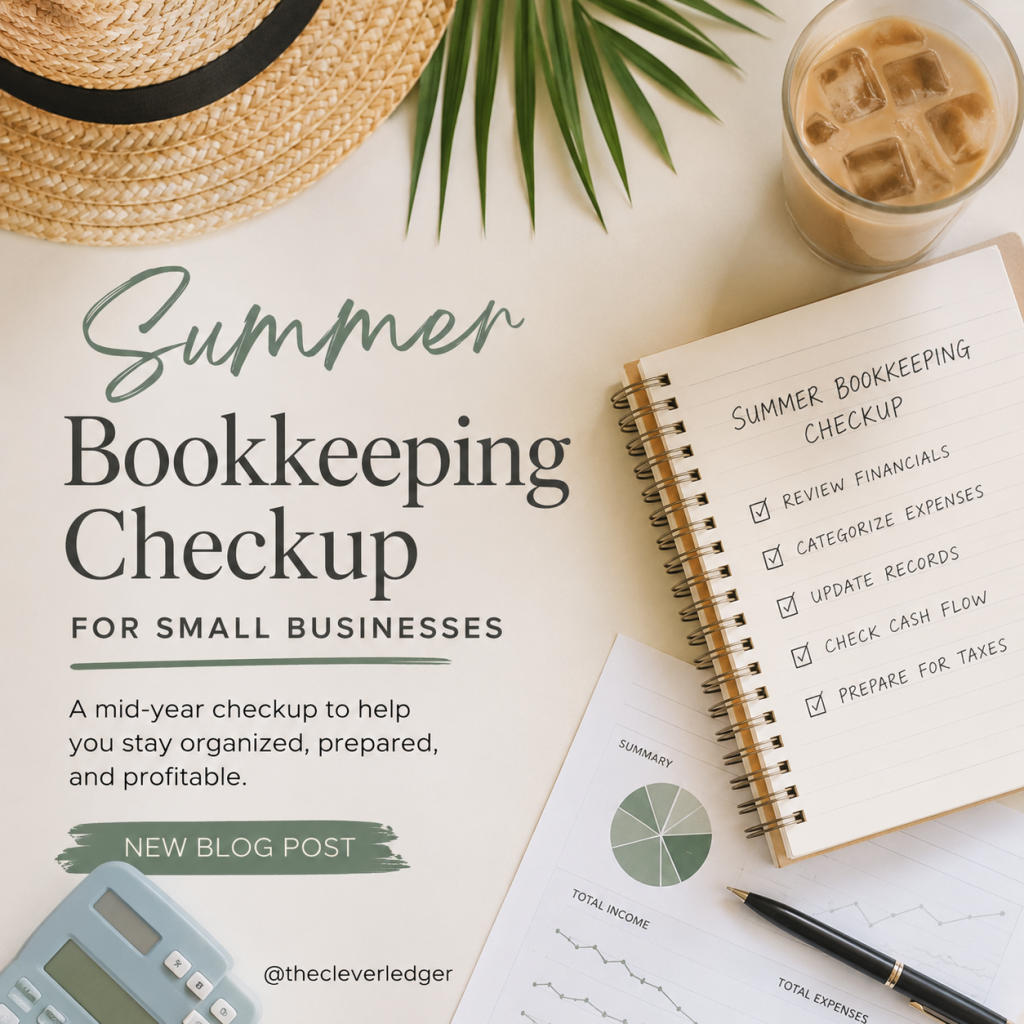
Why a Mid-Year Small Business Bookkeeping Review Is Important
Many business owners don’t evaluate their financial records until tax season arrives. By then, bookkeeping errors, missing transactions, and cash flow issues may have been lingering for months. Many accounting professionals recommend reviewing your books at least once a quarter to improve reporting accuracy and reduce risk of costly bookkeeping mistakes.
A mid-year bookkeeping review gives you the opportunity to:
- Verify the accuracy of your financial records
- Monitor profitability and business growth
- Improve cash flow management
- Prepare for future tax obligations
- Catch bookkeeping mistakes before they become costly
- Make informed decisions for the remainder of the year
Think of it as a financial wellness checkup for your business. Just as regular health checkups help prevent larger medical problems, regular bookkeeping reviews help prevent larger financial problems.
Review Your Bank and Credit Card Reconciliations
One of the first areas to review is your account reconciliations.
Reconciliation is the process of comparing your accounting records to your actual bank and credit card statements. This ensures that every transaction has been recorded accurately which helps maintain reliable bookkeeping record and accurate financial statements.
When accounts are not reconciled regularly, common issues can arise, including:
- Duplicate transactions
- Missing deposits
- Unrecorded expenses
- Bank errors
- Incorrect account balances
Even a small discrepancy can impact your financial reports and create confusion when reviewing your business performance.
If you haven’t reconciled your accounts in several months, summer is the perfect time to catch up and ensure your books are accurate.
Analyze Your Profit and Loss Statement to Measure Business Performance
Your Profit and Loss (P&L) report is one of the most valuable financial reports available to business owners.
This report shows:
- Total revenue
- Cost of goods sold
- Operating expenses
- Net profit
Reviewing your P&L helps you understand whether your business is truly profitable and where your money is going.
As you review your report, ask yourself:
- Have revenues increased compared to last year?
- Are expenses higher than expected?
- Are there subscriptions or services no longer being used?
- Which products or services generate the highest profit margins?
Many business owners are surprised to discover unnecessary expenses or areas where profitability can be improved simply by reviewing this report regularly.
Evaluate Your Cash Flow
Profit and cash flow are not the same thing.
A business can appear profitable on paper while still struggling to pay bills if cash flow is not properly managed. Cash management remains one of the leading challenges facing small businesses. Monitoring incoming revenue and outgoing expenses helps ensure sufficient working capital is available to cover payroll, vendor payments, and unexpected costs.
Summer is an excellent time to review:
- Outstanding invoices
- Upcoming expenses
- Seasonal revenue trends
- Emergency cash reserves
Ask yourself whether you have enough cash available to cover operating expenses during slower months.
Understanding your cash flow helps you make proactive decisions rather than reacting to financial challenges when they arise.
Clean Up Uncategorized Transactions to Improve Financial Reporting
Uncategorized transactions are one of the most common bookkeeping issues small businesses face.
When transactions are left uncategorized, financial reports become less accurate and tax preparation becomes more difficult.
Review your books for:
- Uncategorized expenses
- Uncategorized income
- Duplicate entries
- Personal expenses mixed with business expenses
- Transactions posted to incorrect accounts
Cleaning up these transactions now will save significant time and stress when year-end reporting and tax preparation begin.
Review Your Business Goals and Budget
Summer is also an excellent opportunity to revisit the goals you established at the beginning of the year. Comparing your budget against actual performance can help identify spending trends, uncover growth opportunities, and ensure your financial strategy remains aligned with current business objectives.
Ask yourself:
- Am I on track to meet revenue goals?
- Are expenses aligned with my budget?
- Have my business priorities changed?
- Do I need to adjust my financial strategy?
Financial reports provide valuable insight into whether your current business plan is working or if adjustments are needed.
Business owners who regularly review their financial data are often able to identify opportunities for growth much sooner than those who only review their numbers once a year.
Start Preparing for Tax Season Now
While tax season may feel far away, the best time to prepare for taxes is long before deadlines arrive.
By maintaining organized financial records throughout the year, you can:
- Reduce stress during tax season
- Avoid costly errors
- Maximize deductions
- Improve communication with your tax professional
- File returns more efficiently
Waiting until January to organize an entire year’s worth of financial activity can be overwhelming. Taking small steps now makes the process significantly easier later.
How an Online Bookkeeper Can Help Small Business Owners Stay Organized
Many business owners simply don’t have the time to consistently manage bookkeeping while also running their business.
An online bookkeeper can help by:
- Reconciling accounts monthly
- Maintaining accurate financial records
- Categorizing transactions properly
- Providing financial reports
- Monitoring cash flow
- Preparing books for tax season
With cloud-based accounting software and virtual communication tools, online bookkeeping services offer flexibility and convenience for businesses of all sizes.
Instead of spending evenings and weekends trying to catch up on bookkeeping, business owners can focus on serving customers, growing revenue, and achieving their goals.
Keep Your Business Financially Healthy This Summer
Summer is the perfect time to pause, review your finances, and make sure your business is on the right track for the remainder of the year.
A thorough bookkeeping review can uncover opportunities, prevent costly mistakes, and provide the financial clarity needed to make confident business decisions.
At The Clever Ledger Bookkeeper LLC, we help small business owners maintain accurate financial records, understand their numbers, and stay prepared for growth. Whether you’re located in the Dallas-Fort Worth area or anywhere in the United States, our online bookkeeping services can help you stay organized and focused on what matters most—running your business.
If your books need attention or you’ve fallen behind on bookkeeping, now is the perfect time for a summer financial checkup.
Schedule one with us today here!